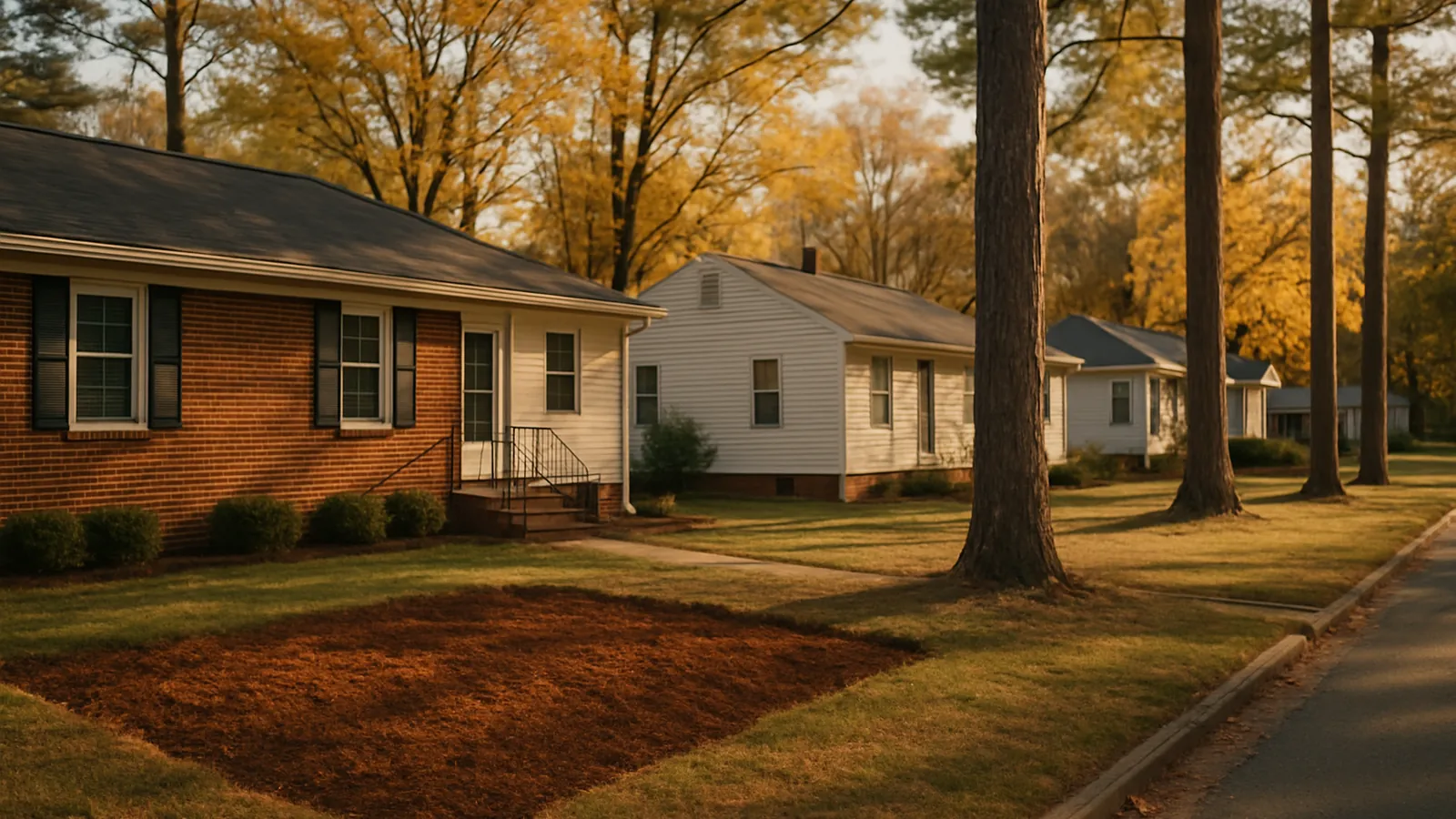
Winston-Salem homeowners pay $500–$6,000 for most mold remediation, from about $300 for testing when genuinely warranted. Summer humidity condensing in the crawl space and winter moisture condensing in the attic are the two mechanisms — and a free inspection checks both ends.
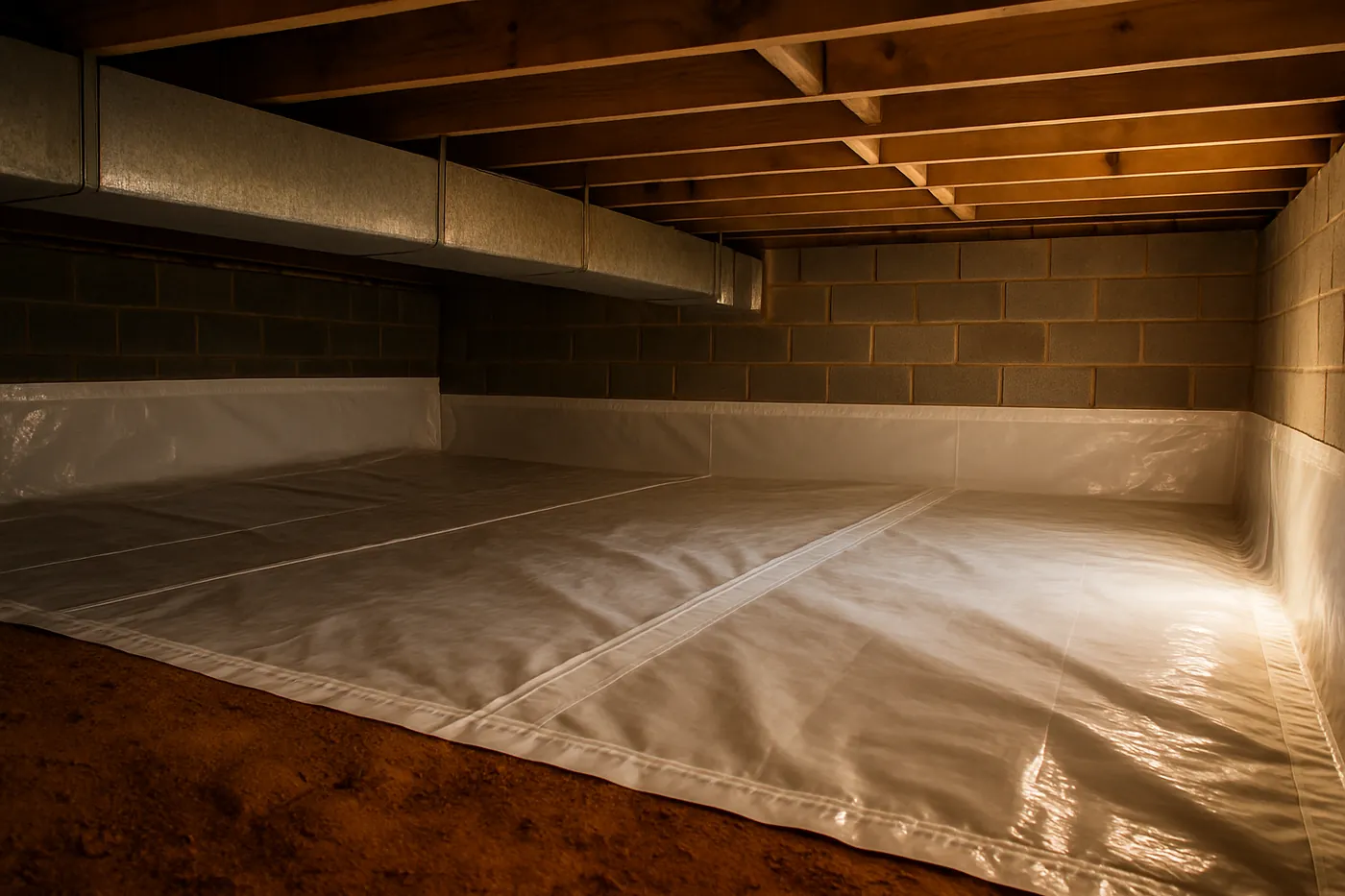
Three centuries of construction in one service area
Winston-Salem covers a broader range of building eras than anywhere else we work, and each one carries a different moisture profile. The historic districts include genuinely old construction — assemblies built long before central heating and cooling, designed to manage moisture by staying permeable. The early-twentieth-century neighborhoods that grew with the tobacco industry are conventional crawl-space housing of their era. The converted industrial buildings downtown are adaptive reuse, where old masonry meets modern mechanical systems. And the suburban ring is tight modern construction.
They cannot be inspected the same way. Historic assemblies need restraint — sealing an interior surface on a wall built to dry in both directions can trap moisture in masonry and cause slow damage. Modern construction needs the opposite conversation: a sealed envelope means the mechanical system carries the entire moisture load.
Adaptive reuse has its own moisture question
Converted industrial and warehouse space is one of the more interesting cases in this market. Thick masonry walls have very different thermal and vapor behavior than stud framing, and where modern insulation and finishes were added to the interior face, the dew point can end up inside the assembly. Where that's the situation, the diagnosis belongs with someone who understands the building's specific wall section — and we'll say so rather than guess at it.
Same Piedmont mechanisms underneath
Whatever the era, the two seasonal drivers are the same as in Greensboro: summer humidity condensing in crawl spaces, winter indoor moisture condensing in attics and on cold exterior walls. The building type changes the response, not the physics.
Asked in Winston-Salem
Our home is in a historic district. Does that change the approach?
Substantially. Older assemblies were built to manage moisture by staying permeable, and sealing an interior surface on a wall designed to dry in both directions can trap moisture in masonry. We prioritize source control and ventilation, keep original material where readings allow, and say when a condition belongs with a period-building specialist.
We live in a converted industrial building. Is that different?
A converted industrial building is different, and it deserves care. Thick masonry has very different thermal and vapor behavior than stud framing, and where modern insulation and finishes were added to the interior face, the dew point can end up inside the assembly. That diagnosis belongs with someone who knows your building's specific wall section.
Do you serve Forsyth County?
We serve Forsyth County, Winston-Salem and the surrounding Forsyth County communities are part of our standard service area. Evaluations schedule on the same timeline as Greensboro, and travel is stated openly in the scope rather than folded into line items.
Are the underlying causes the same as Greensboro's?
The physics are identical: summer humidity condensing in crawl spaces, winter indoor moisture condensing in attics and on cold walls. What changes across Winston-Salem is the building type responding to it, which affects the fix rather than the mechanism.
Next step for your Winston-Salem home
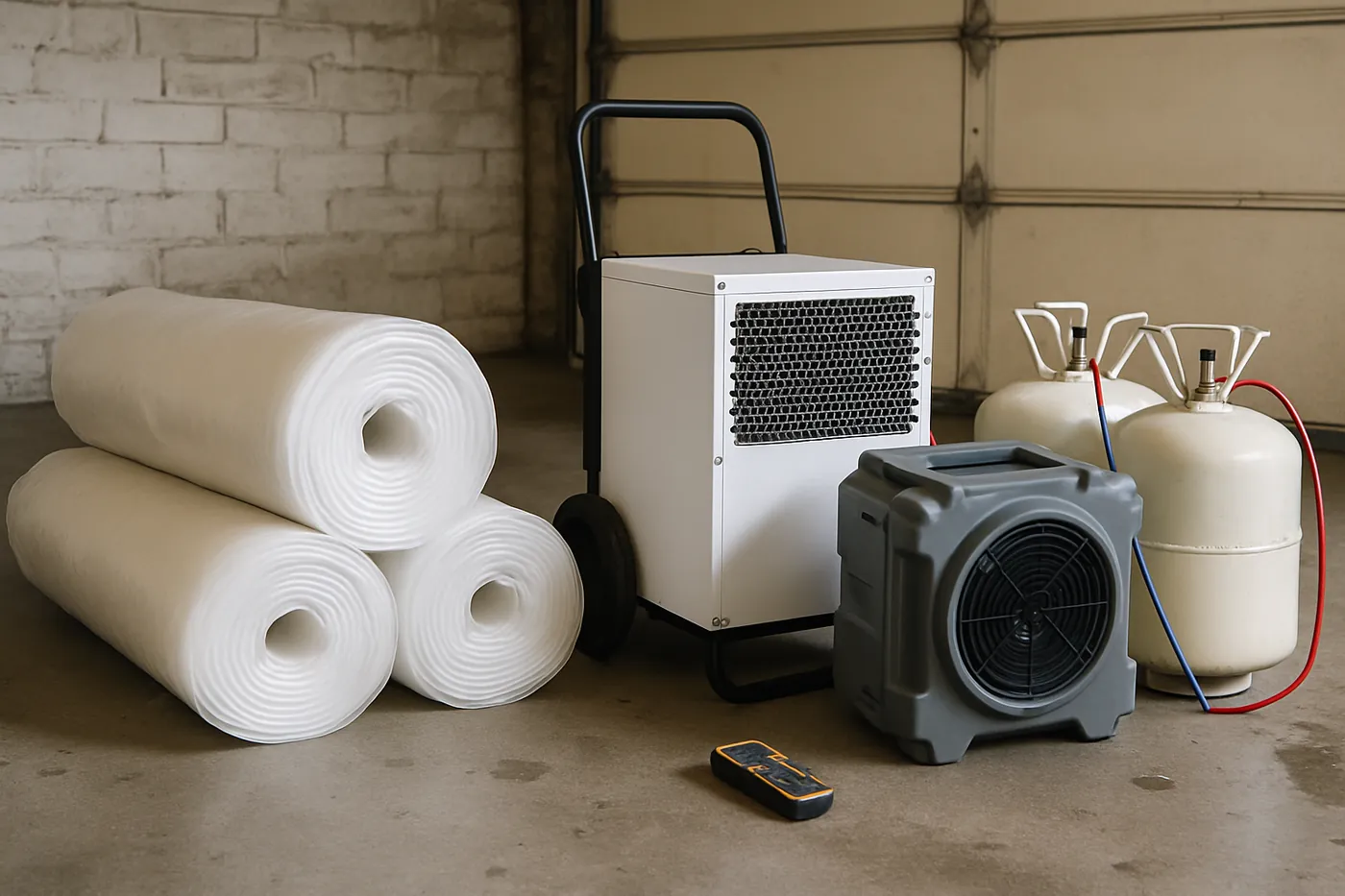
Read the indoor humidity first — a hygrometer is under $20, and remember the target changes by season. Then the free inspection takes about an hour, covers both ends of the house, and leaves a written report with readings by location. Costs are itemized in the cost guide; nearby communities are under service areas.
Get a free Greensboro mold inspection
Tell us what you’re seeing — a musty smell near the floor, dark streaks on attic sheathing, staining on a wall, water standing against the foundation — and we’ll schedule an inspection that goes into the crawl space and the attic. We reply the same business day.