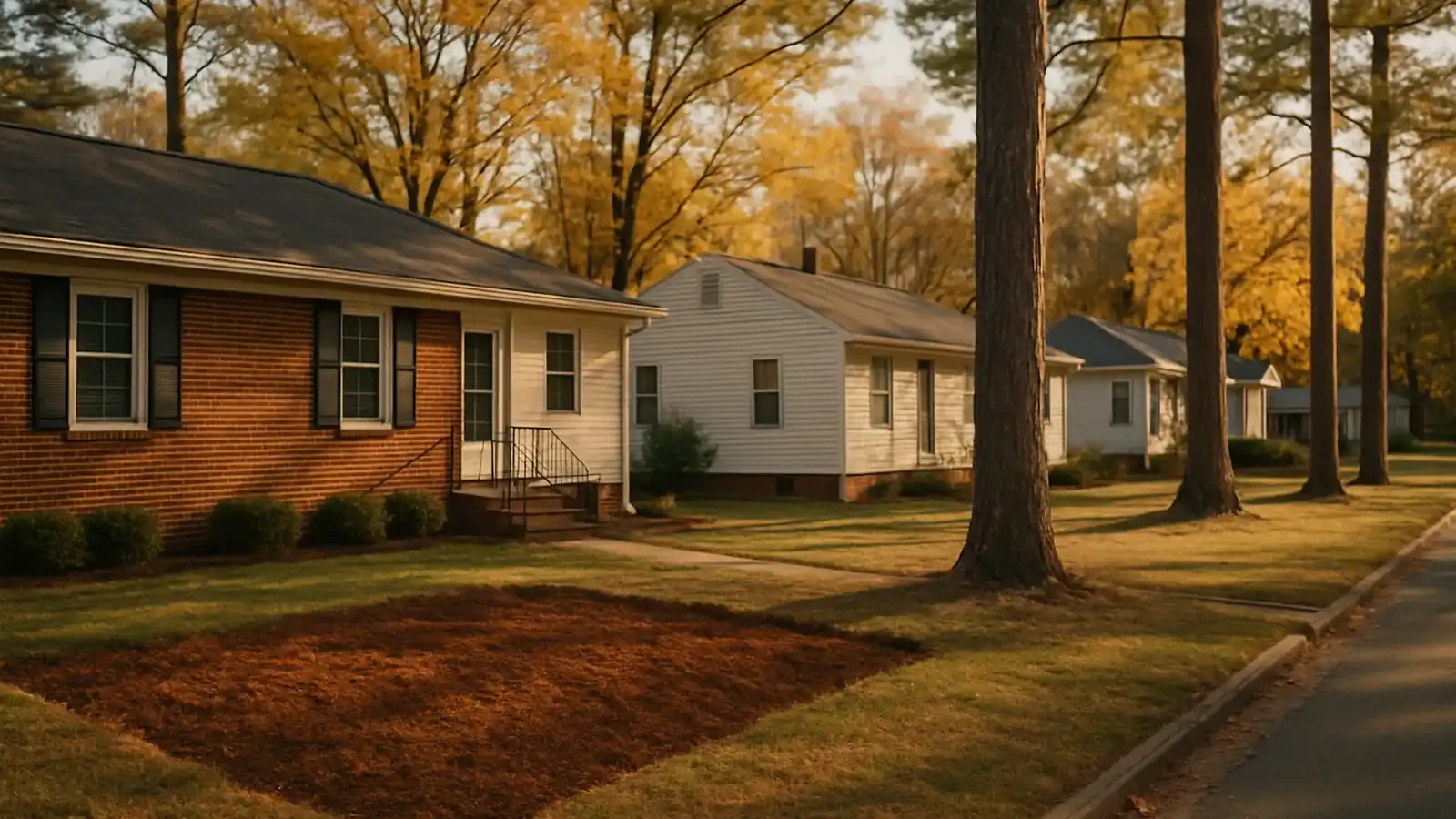
Summerfield mold work usually costs $500 to $10,000, scaled to the square footage affected and to whether attic condensation, crawl space humidity or a leak is the source. Large houses with complicated rooflines give winter moisture more places to collect, so the attic often gets the longer look here.
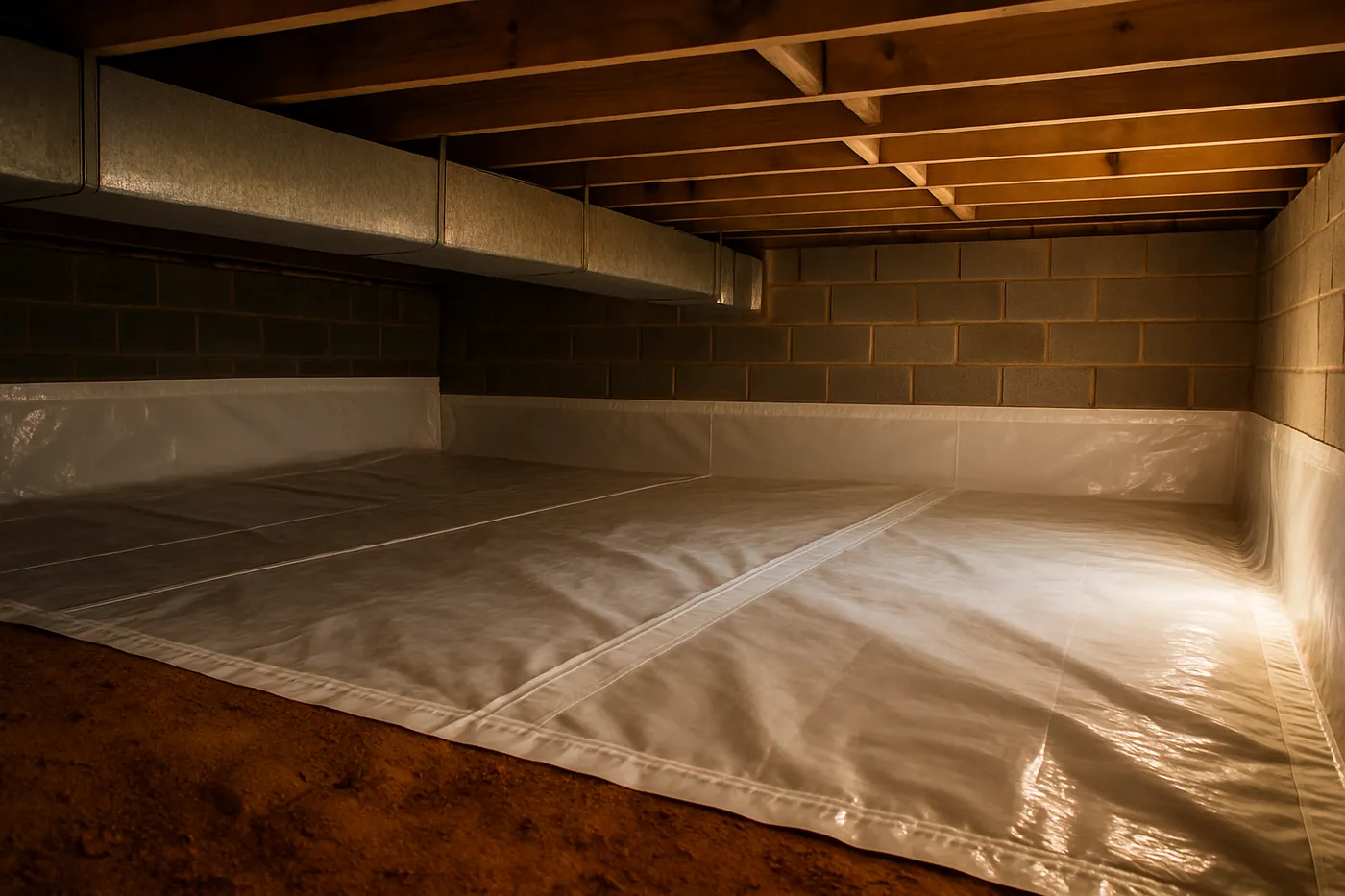
Large houses have more attic to get wrong
Summerfield's housing runs toward larger homes on larger lots, and size introduces a complication that smaller houses don't have: complex rooflines create multiple attic spaces, some of them small, poorly connected, and easy to miss. A cathedral ceiling, a bonus room over a garage, a dormer, or a wing at a different roof pitch can each have their own pocket of attic with its own ventilation situation.
Winter condensation finds those pockets first. They're frequently the least ventilated, the most disconnected from soffit intake, and the last place anyone looks. An attic inspection here means getting into each accessible space rather than putting a head through one hatch, which is why these visits take longer than a ranch house does.
Larger lots, longer water paths
Acreage collects and routes more water before it reaches the house, and on Piedmont red clay that water doesn't soak away. It runs. It also frequently arrives from a direction the yard doesn't suggest, across a neighboring property or down a drive. Evaluations here spend real time outside tracing where water enters and leaves, because on this ground the exterior half explains the crawl space half.
Wells, septic, and outbuildings
Properties out here more often have wells and septic systems, and frequently include outbuildings, workshops, and garages built at different times. Unconditioned structures hold high humidity through Piedmont summers, and where one adjoins conditioned space it becomes a moisture source for the house. A good inspection covers those connections rather than stopping at the main structure.
Asked in Summerfield
Our house has a complicated roof. Does that matter?
It creates more places for winter moisture to collect. Cathedral ceilings, bonus rooms over garages, dormers, and wings at different pitches each create attic pockets that are often poorly connected to soffit intake and easy to miss. An attic inspection here means getting into each accessible space, not one hatch.
Our lot is several acres. Does that change the inspection?
It lengthens the outside portion considerably. Larger lots collect and route more water before it reaches the house, and on red clay it runs rather than soaking away: frequently arriving from a direction the yard doesn't suggest. The exterior half usually explains the crawl space half here.
Should outbuildings and detached garages be inspected?
Yes, and it matters on properties like these. Unconditioned structures hold high humidity through Piedmont summers, and where one adjoins or connects to conditioned space it becomes a moisture source for the house. A good inspection covers those connections rather than stopping at the main structure.
What does an inspection cost in Summerfield?
Many local specialists don't charge for the inspection, but it depends on the company; ask when the specialist calls. A good one covers crawl space and attic entry, moisture readings at named locations in both, humidity comparison, the exterior water path, and photographs, even when the visit ends with a grading recommendation rather than an invoice.
Big, owner-occupied, and mostly 1990s-2000s
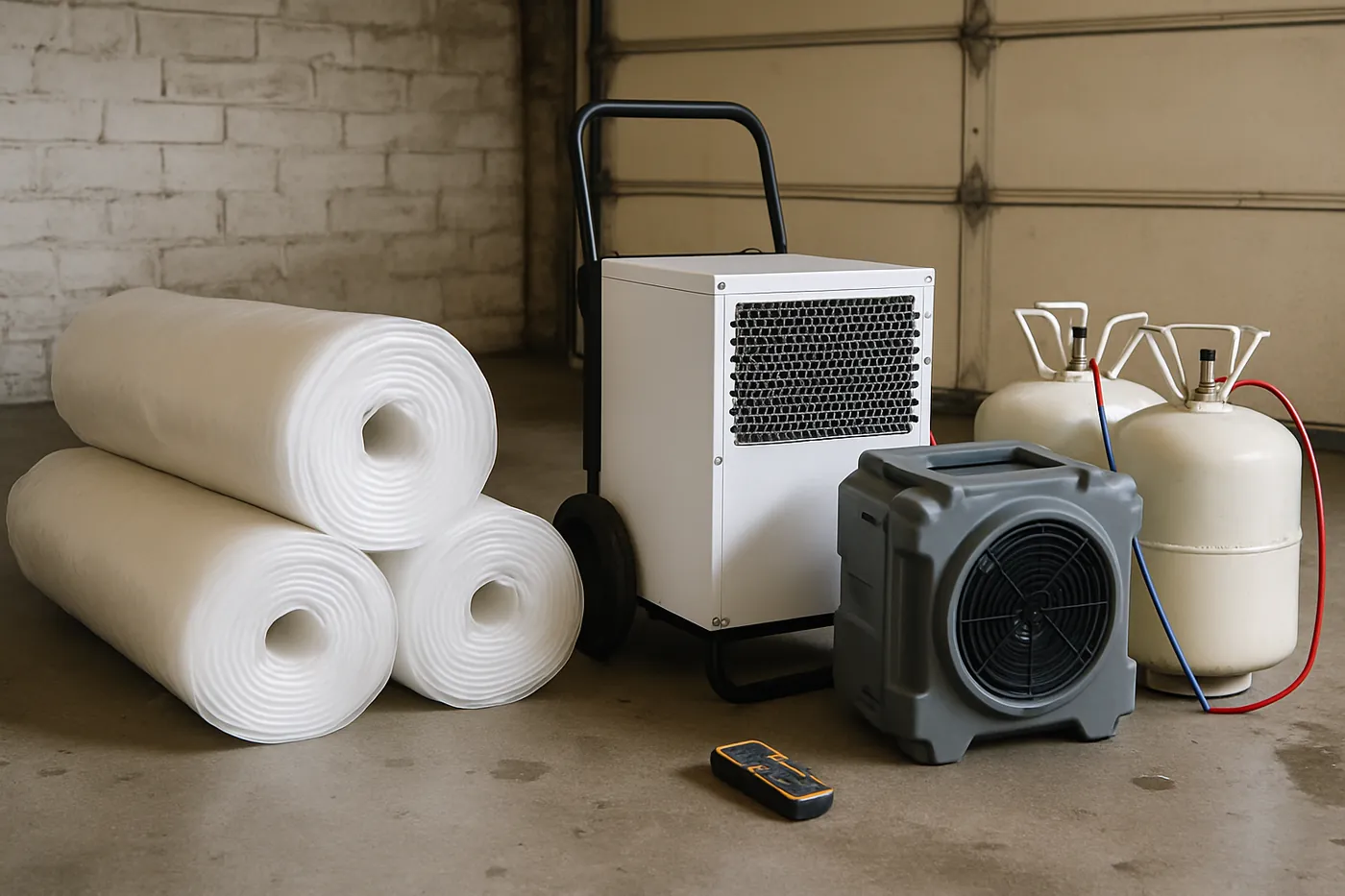
Summerfield has about 4,000 housing units in the Census Bureau's 2020-2024 estimates, with a median year built of 2000. The 2000s alone hold about 34% and the 1990s another 26%, so six homes in ten date from those two decades. Owner occupancy is about 94%. A house from that era is old enough that the bath fans, attic insulation and roof penetrations installed at construction all deserve a check.
Town clearance first, county permit second
Summerfield requires its own Development Clearance Certificate before anyone applies for residential permits, and the permits themselves are issued by Guilford County Inspections. The town's permit page also carries a floodplain development permit application. For remediation that turns into rebuilding framing or adding a crawl space dehumidifier circuit, expect to go through both offices.
North Carolina's permit statute exempts many single-family repairs under $40,000 but keeps permits required for load-bearing repairs and for changes to electrical wiring or heating and air systems, so the size of the bill alone does not settle the question.
Get a Greensboro mold inspection
Tell us what you’re seeing: a musty smell near the floor, dark streaks on attic sheathing, staining on a wall, water standing against the foundation, and we'll pass your request to one independent local specialist, who can set up an inspection. A local specialist who works in Greensboro will call you back.