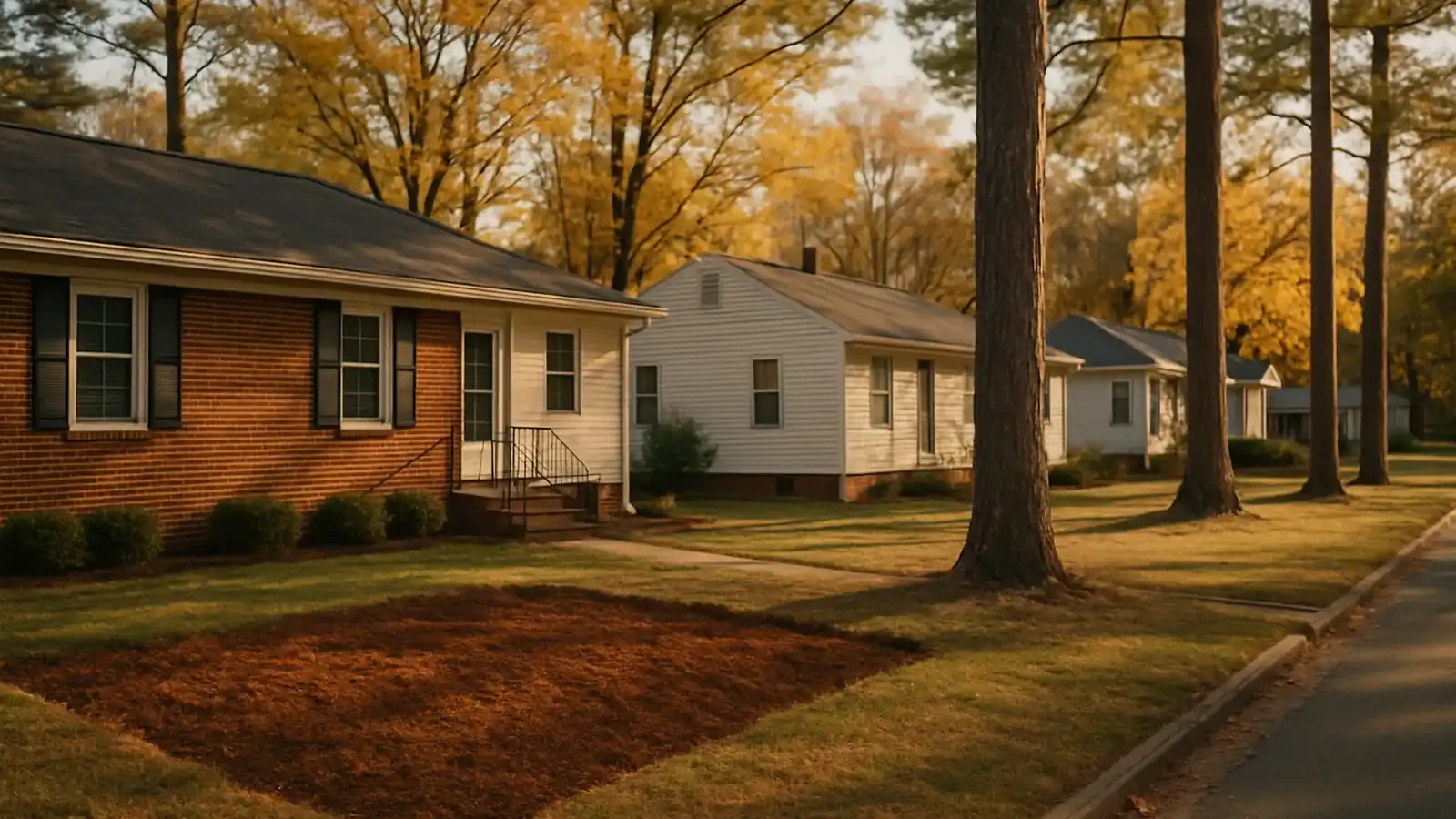
Most mold work in Burlington costs between $500 and $10,000, depending on how far growth has spread and whether the crawl space, the attic or both are feeding it. On mill village streets where houses share a plan, one neighbor's findings are a useful preview of yours.
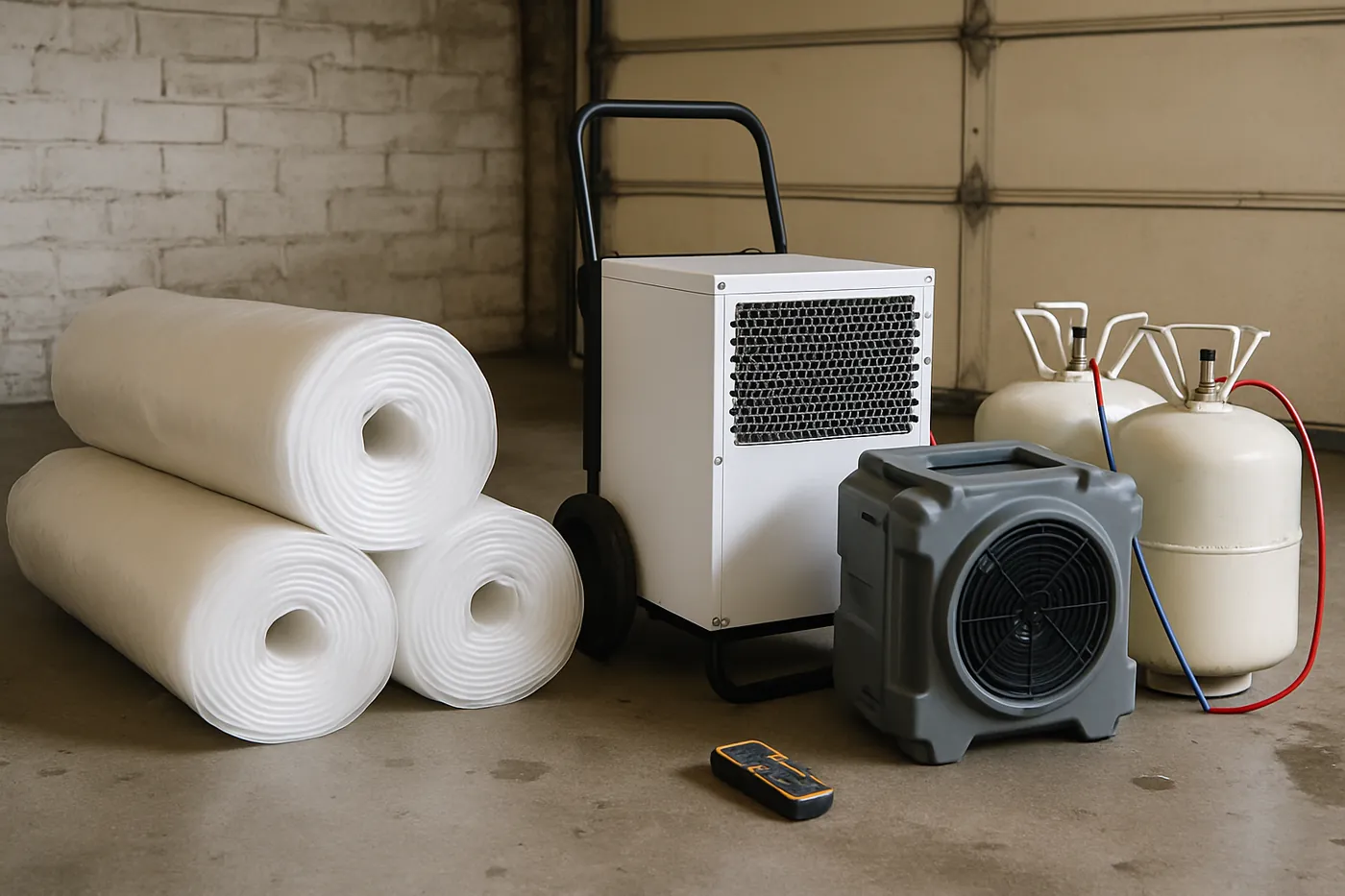
Mill village housing repeats, and so does the failure
Burlington and the surrounding Alamance County communities grew on textiles, and the mill villages that housed those workers are still standing: compact, well-framed houses built in groups to a small number of plans, typically on crawl spaces, typically close together on modest lots.
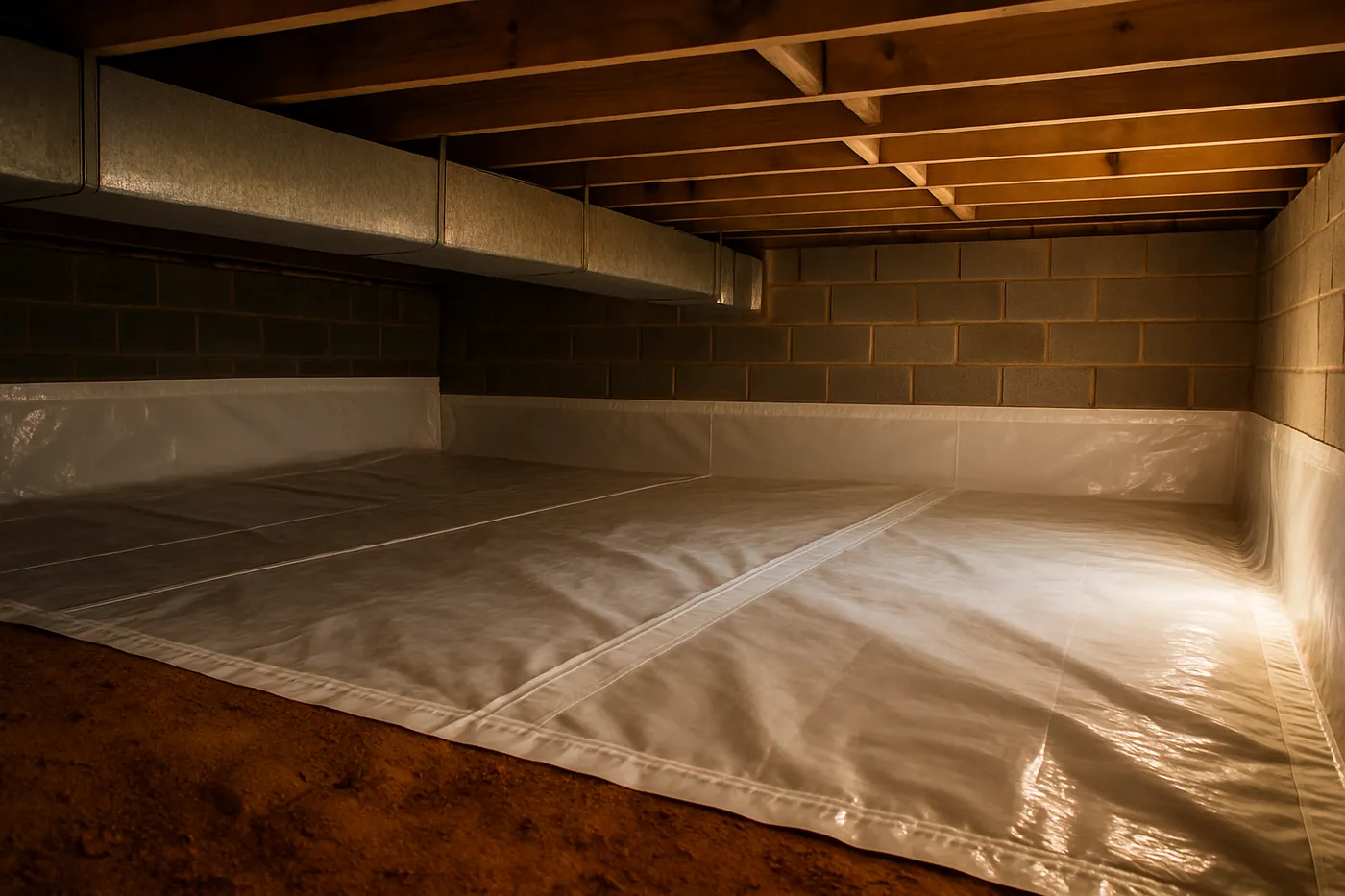
The diagnostic advantage is real. Houses built by one company in one period to one detail share one set of weaknesses: bare clay under the floor with no vapor barrier, ceilings never air-sealed against winter moisture, and crawl vents that made sense in 1920 and work against the house now. Where one house on a street has been inspected, the next one usually looks similar, and where a whole block is dealing with the same thing, that's worth knowing before anyone assumes their house is uniquely unlucky.
Close lots, shared drainage
Mill village lots are generally small and the houses sit close together, which concentrates surface water in ways a suburban lot doesn't. On Piedmont red clay that water doesn't soak away. It runs between the houses and stands where the grade lets it. Restoring fall away from the foundation and getting downspouts well clear does more here than most owners expect, and it's the cheapest line on any good scope.
Solid houses worth fixing
These are good buildings. The framing is usually sound, the material quality is often better than what replaced it, and the problems are moisture-and-detailing problems rather than build-quality problems. What they typically need is specific and affordable: a proper vapor barrier, air sealing at the ceiling, and drainage correction outside. An honest specialist would rather find that than sell a package.
Asked in Burlington
We're in a mill village. Does that matter?
It helps. Mill village houses were built in groups to a small number of plans, so they share one set of weaknesses: bare clay under the crawl, an unsealed ceiling plane, and vents that made sense a century ago. Where one house on the street has been read, yours usually looks similar.
Our lots are small and water stands between the houses. Related?
Directly. On red clay water doesn't soak away, and tight lots concentrate it into narrow side yards that are shaded and slow to dry. Where the grade between two houses has flattened, it stands there and works on both foundations. Restoring fall and moving downspout discharge is the cheapest correction available.
Is a hundred-year-old mill house worth repairing?
Almost always. These are good buildings with moisture-and-detailing problems rather than build-quality problems. A proper vapor barrier, air sealing at the ceiling, and drainage correction outside is frequently the whole answer, and it costs a fraction of what owners expect.
Is Alamance County covered?
We serve Alamance County, including Burlington and the surrounding Alamance County communities. If travel applies, ask for it to be stated openly in the scope.
An older city than most of the Triad
Burlington's median home was built in 1978, according to the Census Bureau's 2020-2024 American Community Survey, which counts about 27,800 housing units in the city. Roughly 28% predate 1960, including close to 8% from before 1940, and the 1950s and 1960s each hold about 13%. Just over half of homes are owner-occupied.
Little Alamance Creek and city stormwater
Burlington's Stormwater Division runs a citywide stormwater management plan, and its Little Alamance Creek page describes a watershed recovery plan approved by the EPA in January 2015. For a homeowner the practical point is narrower: on close-set lots, water leaving one yard often arrives at the next foundation, and the Stormwater Division is the office to call when the source is a street or public pipe rather than a neighbor.
Permits
The city's Inspections Department on South Lexington Avenue enforces building, plumbing and electrical codes and lists electrical and plumbing permits for alterations and renovations. Replacing rotted floor framing found during remediation is the kind of work to clear with that office first.
Get a Greensboro mold inspection
Tell us what you’re seeing: a musty smell near the floor, dark streaks on attic sheathing, staining on a wall, water standing against the foundation, and we'll pass your request to one independent local specialist, who can set up an inspection. A local specialist who works in Greensboro will call you back.